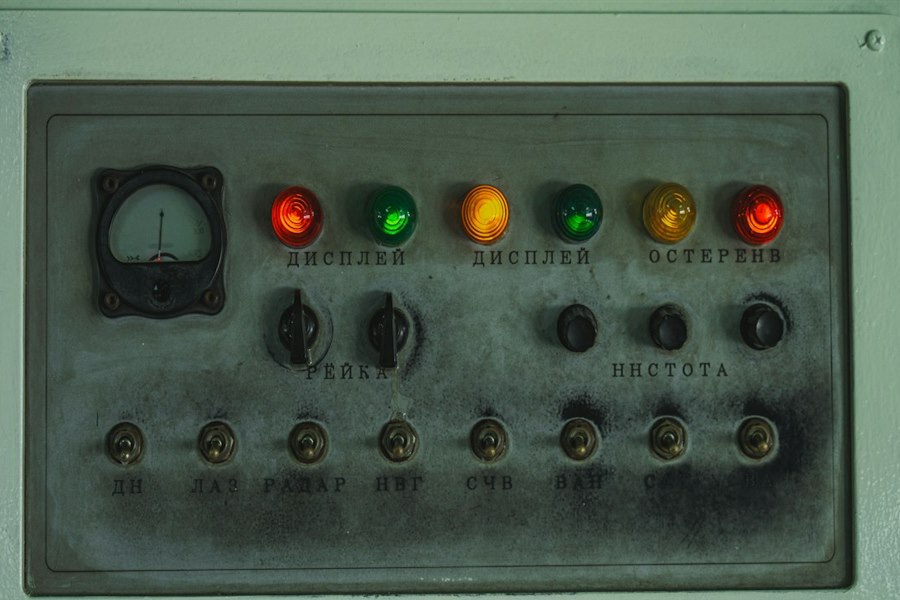
Automation on modern commercial vessels brings machinery monitoring, control and alarm management together under a single system. The bridge crew and engineers thus keep a full picture of the machinery plant without continuous manual rounds.
What Does It Cover?
Ship automation systems mainly cover alarm and monitoring (AMS), PLC based sequential control, flow-chart process control, remote control and data logging functions. The main engine, auxiliary machinery, generators, boilers and pumps are monitored within the system.
Why Does It Matter?
- Reduces the workload of watchkeeping personnel and minimises human error.
- Alarms faults at an early stage and prevents major damage.
- Contributes to the optimisation of fuel and energy consumption.
- Brings critical risks under control with safety shutdown functions.
Maintenance and Modernisation
Keeping systems current requires software upgrades, sensor calibration, cable and earthing checks plus spare part management. Ageing systems can be renewed with modern PLC and HMI based solutions to serve reliably throughout the life of the vessel.